
NFL
BREAKING…Momentum builds in Washington as impeachment efforts gain traction. Hearings could follow. Public debate intensifies. Pressure mounts. Removal requires two-thirds in the Senate — But history shows these processes don’t stay small for long. 👀 FULL STORY 👇 👇 😀

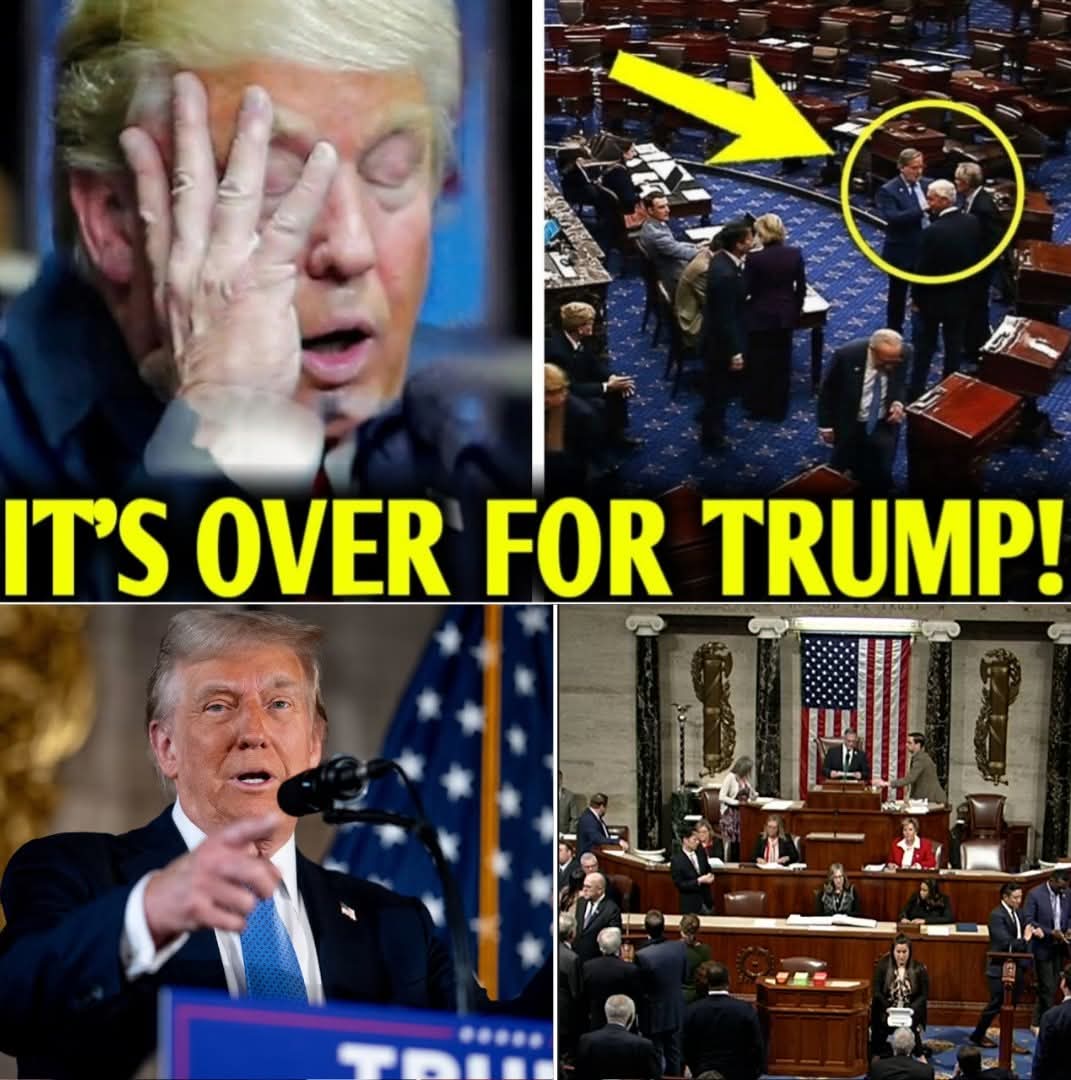
BREAKING…Momentum builds in Washington as impeachment efforts gain traction.
Hearings could follow.
Public debate intensifies.
Pressure mounts.
Removal requires two-thirds in the Senate —
But history shows these processes don’t stay small for long. 👀
FULL STORY 👇 👇 😀
Washington is once again bracing for a political storm.
In the halls of Congress, conversations that once simmered quietly behind closed doors are now spilling into public view. Lawmakers are openly discussing next steps. Committees are weighing procedural options. And allies and opponents alike are preparing for what could become one of the most consequential chapters of this political era.
Hearings Could Follow
Several members of the U.S. House of Representatives have indicated that preliminary inquiries may soon evolve into formal hearings. Such hearings would mark a significant escalation — moving from rhetoric and resolutions to sworn testimony and documented evidence.
Historically, impeachment inquiries begin with investigative hearings in key committees. These sessions can stretch over weeks or even months, often reshaping public narratives in real time. Once testimony begins, the national spotlight intensifies.
Public Debate Intensifies
Outside Capitol Hill, the debate is growing louder.
Cable news panels, legal analysts, and constitutional scholars are revisiting the standards outlined in the Constitution — particularly the threshold of “high crimes and misdemeanors.” Voters across the political spectrum are weighing in, with polls showing sharp divisions over both the necessity and the timing of potential action.
Impeachment is not simply a legal process; it is an intensely political one. It tests party unity, leadership strategy, and public sentiment all at once.
Pressure Mounts in the Senate
Even if the House were to pass articles of impeachment, the road ahead would be steep.
Under the Constitution, removal requires a two-thirds vote in the United States Senate. That high bar has historically made conviction rare. Senators, mindful of precedent and public opinion, would face immense pressure from constituents, party leaders, and advocacy groups.
The math is unforgiving. But political momentum can be unpredictable.
History Shows the Stakes
The United States has witnessed impeachment proceedings before — from Andrew Johnson in the 19th century to Bill Clinton and Donald Trump in more recent decades. In each case, what began as focused investigations quickly expanded into defining national moments.
Impeachment efforts rarely remain confined to committee rooms. They reshape campaign strategies, influence legislative agendas, and can alter the trajectory of administrations.
What Happens Next?
For now, no final outcome is guaranteed. Lawmakers are maneuvering. Party leaders are counting votes. Advocacy groups are mobilizing supporters. And Americans are watching closely.
If formal hearings are announced, the pace will accelerate — and so will the scrutiny.
One thing history makes clear: when impeachment momentum builds, it seldom stays small for long. 👀

JUST IN…Ivanka Trump reportedly faces 11 to 19 years. A cooperation deal was on the table. Melania said no. ❗ Prosecutors say Trump’s reaction was immediate — explosive calls, urgent messages, a post that vanished. Trial set for June 9, 2026. If this is only the beginning… what will unfold in open court? 👀 READ FULL STORY 👇 👇
BREAKING….Why has Donald Trump issued Keir Starmer a warning about the Chagos Islands? FULL DETAILS 👇 👇 😁

BREAKING…Momentum builds in Washington as impeachment efforts gain traction. Hearings could follow. Public debate intensifies. Pressure mounts. Removal requires two-thirds in the Senate — But history shows these processes don’t stay small for long. 👀 FULL STORY 👇 👇 😀
JUST IN….Trump, 79, Delivers Deranged Threat to Netflix…FULL STORY 👇 👇 👇

🚨 SH0CKWAVE IN WASHINGTON! 🔥 She stood up quietly… then dropped a political NUCLEAR B0MB. 💣 Rep. Jasmine Crockett just exposed what no one dared to touch — Melania T.r.u.m.p’s secret financial ties to foreign powers… and the reaction? Instant chaos. Within minutes, Donald T.r.u.m.p’s meltdown was caught on camera, screaming, red-faced, in front of stunn3d supporters. Now the internet is on fire. 🔥 The White House is silent. 🏛️ And America is asking: What ELSE has been hidden from us? 👉 Buckle up — this isn’t just another headline. It’s the scandal that could shake the foundation of political power in the U.S. Details in comment 👇👇👇
BREAKING….JASMINE CROCKETT JUST ENDED T.R.U.M.P WITH ONE SENTENCE ON THE CAPITOL STEPS – 34 SECONDS OF DEAD AIR THAT ECHOED LIKE A G.U.N.S.H.O.T No podium. No notes. Jasmine Crockett walks straight to the edge of the marble, grabs a single live mic from a stunned reporter, and looks dead into every camera on Earth. Voice low, lethal, no shout needed: “D0nald T.r.u.m.p isn’t a president. He’s a national emerg.e.ncy wearing a red tie, and every day we let him breathe in that office is another day we betray the country we swore to defend.” Thirty-four seconds of total silence.
JUST IN…Newly Released Epstein Files Reveal Email Exchange Between Melania Trump and Ghislaine Maxwell…READ THE SHOCKING DETAILS👇👇

BREAKING….Here’s the Proof Trump Knows He’s Doomed: FULL STORY 👇 👇
BREAKING NEWS — Poll Shows Strong Bipartisan Support for Releasing Epstein Files. what’s fueling the surge for transparency and Reason why Washington can’t ignore this anymore…
BREAKING….Trump relative got tired of being told to change her name so she suggested a new name for Donald Many people have told me I should change my last name, but instead, Donald should change his,because…. FULL STORY 👇 👇
BREAKING: THE FORMER PRESIDENT REACTS AFTER STEPHEN COLBERT TURNS BARRON COMMENT INTO LIVE-TV MOMENT — STUDIO FREEZES IN JUST 8 SECONDSThe clip is now drawing widespread attention — watch the eight-second moment that sparked the Internet…. FULL STORY 👇 👇
