
NFL
In a shocking live broadcast, Taylor Swift announced she’s moving to Canada and ending her legendary show, leaving fans and media scrambling for answers. Her harsh words about an unnamed “bastard” have sparked intense speculation online, with guesses ranging from industry figures to past feuds. As Swift takes this bold step during the peak of her career, fans are left wondering what really happened behind the scenes. Is it a personal conflict, an industry drama, or a calculated media move? Whatever the truth, the world can’t stop talking. Full real story in the comment : 👇👇👇

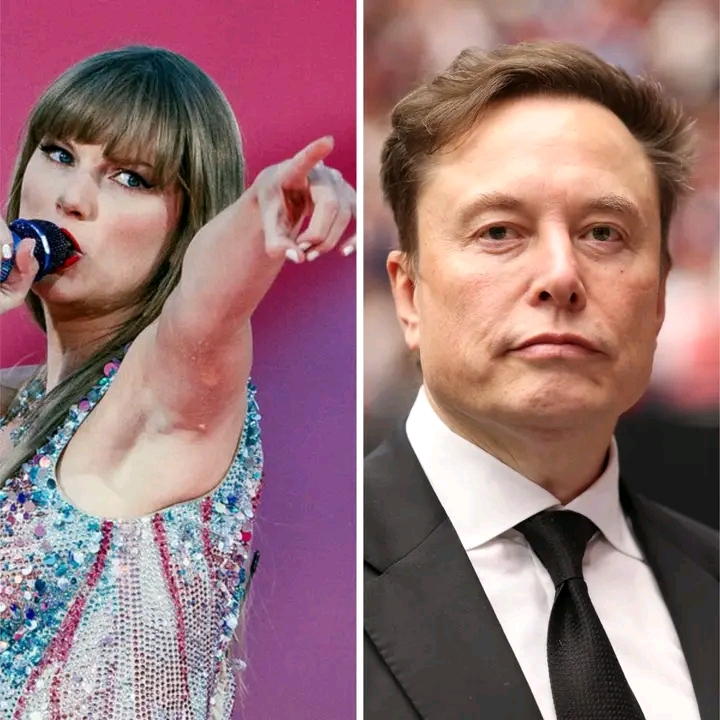
Taylor Swift Shocks Fans: Announces Move to Canada and Ends Iconic Project
added a layer of suspense, ensuring that public attention remained focused on her every move. Swift had effectively transformed a personal decision into a global event, highlighting her skill in navigating both emotional authenticity and strategic visibility.
The immediate aftermath of Taylor Swift’s announcement was nothing short of explosive. News outlets around the world scrambled to cover the story, while social media platforms erupted with discussions, debates, and speculation. Twitter trended with hashtags related to Swift’s move, the closure of her show, and the mysterious “bastard” she mentioned. Fans dissected every frame of her live broadcast, analyzing facial expressions, tone of voice, and subtle gestures, searching for clues about the identity of the person she was targeting.
Canada added a fascinating dimension to the story. Canada’s reputation as a calm, welcoming, and politically stable country offered a stark contrast to the perceived chaos of Swift’s previous environment. Fans debated whether this move was a genuine attempt to seek peace or part of a larger strategy to reset public attention. Analysts noted that the relocation signaled a willingness to step away from the intense scrutiny of American media, while still maintaining global relevance. The intrigue of a “celebrity exile” created additional storytelling opportunities for media outlets and fueled social media chatter.
The closure of Swift’s legendary show was equally significant. For years, the program had been a cultural touchstone, a platform where millions of fans connected with her music and personality. Its sudden end sparked nostalgia, grief, and curiosity. Commentators explored potential reasons, speculating that behind-the-scenes pressures, creative differences, or personal exhaustion may have contributed. The emotional weight of ending such a long-running endeavor reinforced the perception that Swift’s decision was deeply personal, not merely performative.
The intersection of emotional authenticity and strategic visibility became a key theme. Swift’s declaration showcased her ability to communicate raw emotion while simultaneously commanding media attention. Observers noted that few artists could generate global conversation with a single statement, blending vulnerability, drama, and narrative control. By refusing to clarify the “bastard,” she maintained suspense, ensuring that audiences remained engaged, curious, and emotionally invested.
Public discourse also delved into the broader implications for celebrity culture. Swift’s announcement sparked debates about privacy, mental health, and the pressures of fame. Commentators discussed how public figures are often forced to navigate intense scrutiny while managing personal conflicts. The situation highlighted the delicate balance between transparency and personal boundaries, illustrating the challenges faced by individuals whose lives are constantly on display.
As the story unfolded, fan engagement intensified. Live discussions, podcasts, YouTube analyses, and social media commentaries dissected every possible angle. Fans revisited old footage, interviews, and news reports, attempting to uncover hidden context or clues about the underlying conflict. This obsessive examination reflected not only their admiration for Swift but also the human fascination with scandal, secrecy, and resolution.
Industry insiders noted that the ripple effects could influence marketing strategies, collaborations, and future creative projects. Swift’s bold move disrupted expectations, challenging conventional approaches to publicity and personal narrative. The entertainment industry recognized the potential for both risk and reward: while ambiguity could provoke controversy, it also reinforced Swift’s cultural influence and ability to dominate global attention.
Elon Musk’s success comes from having goals he’ll never see accomplished in his lifetime
In sum, the period immediately following Swift’s announcement highlighted her unparalleled capacity to shape conversation. Social media, mainstream media, and fan communities converged to create a dynamic, multi-layered dialogue. Speculation, analysis, and emotion combined, generating a complex narrative that extended far beyond the initial broadcast. Swift had successfully transformed a personal decision into a global event, reinforcing her status as one of the most influential artists of her generation.
As the immediate media frenzy began to settle, the long-term implications of Taylor Swift’s dramatic announcement started to take shape. The closure of her legendary show and her relocation to Canada represented more than just personal decisions—they signaled a strategic reshaping of her public persona and artistic trajectory. Analysts emphasized that Swift’s actions highlighted her mastery of narrative control, even when addressing deeply personal matters in the public eye.
From a career standpoint, Swift’s bold statements demonstrated her willingness to prioritize emotional well-being over traditional industry expectations. The decision to end a major project at the peak of its popularity could have been seen as risky, yet it also reinforced her autonomy and authority in her own career. Fans interpreted this move as a testament to her courage, with many praising her for setting boundaries in an industry known for relentless pressure and scrutiny.
Her relocation to Canada further underscored her commitment to self-care and a desire for creative renewal. Analysts suggested that the change of environment could inspire new musical directions, collaborations, or projects that might never have emerged had she remained in the United States. The decision also positioned her as an artist willing to step outside conventional paths, illustrating that career longevity in the modern music industry requires both innovation and personal agency.
Critics, however, were quick to speculate about the potential downsides. Shutting down a popular show and temporarily removing herself from the American public eye could affect visibility, sponsorship deals, and engagement with her core fan base. Some questioned whether the announcement was partially a calculated media move designed to generate buzz ahead of an impending album or project. Nevertheless, Swift’s ability to turn even potential controversies into conversation points reaffirmed her unparalleled influence in contemporary pop culture.
BREAKING….Seven charges. Obstruction. Abuse of war powers. Bribery. Another resolution accusing threats and intimidation. 140 lawmakers just took a decisive procedural step forward. It’s not final impeachment — not yet. But as protests grow outside and pressure mounts inside, Congress is approaching a breaking point… 🚨 SEE MORE 👇👇

He tried to block it. Delay it. Seal it. But the judge rejected every argument for secrecy and ordered the evidence released immediately. Private meetings. Internal communications. January 6 connections. As the ruling echoed through the courtroom, one reaction changed everything — 🚨 FULL STORY 👇 👇
“He’s Losing His Mind”: Here’s How Trump Responded To The Supreme Court Ruling Against Him…. FULL STORY 👇 👇 😄
“YOU DON’T BELONG!” — The Moment That SHOOK Congress to Its Core! 💥⚖️ 📺😱 What started as a simple committee hearing turned into a $100 MILLION legal b0mbshell — and left Caroline Leavitt visibly rattled on live TV! Jasmine Crockett didn’t raise her voice — she raised the stakes. With just one sentence and a folder of receipts, she flipped the narrative and made history in 90 seconds flat. 🚨💬 Accusations of fraud. Leaked documents. A courtroom showdown that could rewrite the rules of political warfare. Who belongs in power — and who’s about to lose it all? DETAILS BELOW 👇👇

JUST IN…Ivanka Trump reportedly faces 11 to 19 years. A cooperation deal was on the table. Melania said no. ❗ Prosecutors say Trump’s reaction was immediate — explosive calls, urgent messages, a post that vanished. Trial set for June 9, 2026. If this is only the beginning… what will unfold in open court? 👀 READ FULL STORY 👇 👇
BREAKING….Why has Donald Trump issued Keir Starmer a warning about the Chagos Islands? FULL DETAILS 👇 👇 😁

BREAKING…Momentum builds in Washington as impeachment efforts gain traction. Hearings could follow. Public debate intensifies. Pressure mounts. Removal requires two-thirds in the Senate — But history shows these processes don’t stay small for long. 👀 FULL STORY 👇 👇 😀
JUST IN….Trump, 79, Delivers Deranged Threat to Netflix…FULL STORY 👇 👇 👇

🚨 SH0CKWAVE IN WASHINGTON! 🔥 She stood up quietly… then dropped a political NUCLEAR B0MB. 💣 Rep. Jasmine Crockett just exposed what no one dared to touch — Melania T.r.u.m.p’s secret financial ties to foreign powers… and the reaction? Instant chaos. Within minutes, Donald T.r.u.m.p’s meltdown was caught on camera, screaming, red-faced, in front of stunn3d supporters. Now the internet is on fire. 🔥 The White House is silent. 🏛️ And America is asking: What ELSE has been hidden from us? 👉 Buckle up — this isn’t just another headline. It’s the scandal that could shake the foundation of political power in the U.S. Details in comment 👇👇👇
BREAKING….JASMINE CROCKETT JUST ENDED T.R.U.M.P WITH ONE SENTENCE ON THE CAPITOL STEPS – 34 SECONDS OF DEAD AIR THAT ECHOED LIKE A G.U.N.S.H.O.T No podium. No notes. Jasmine Crockett walks straight to the edge of the marble, grabs a single live mic from a stunned reporter, and looks dead into every camera on Earth. Voice low, lethal, no shout needed: “D0nald T.r.u.m.p isn’t a president. He’s a national emerg.e.ncy wearing a red tie, and every day we let him breathe in that office is another day we betray the country we swore to defend.” Thirty-four seconds of total silence.
JUST IN…Newly Released Epstein Files Reveal Email Exchange Between Melania Trump and Ghislaine Maxwell…READ THE SHOCKING DETAILS👇👇
