
NFL
SAD NEWS: Just 30 minutes ago in Florida, USA, the family of 14-year-old stage talent Blue Ivy, in a fictional scenario circulating online, released an urgent announcement to fans — one that left millions stunned, confused, and terrified. According to the fictional storyline, the young performer shocked everyone by delivering a 14-word statement that immediately went viral and sent the entertainment world into panic

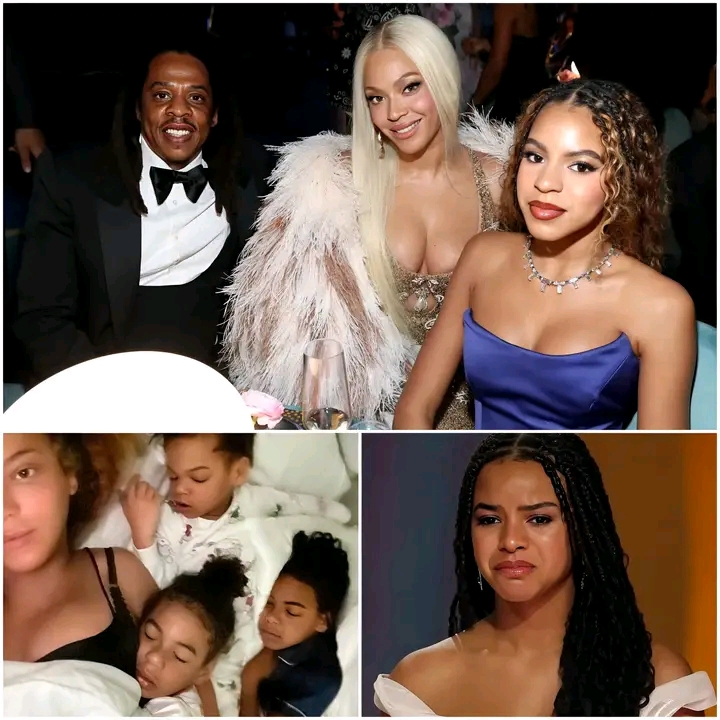
SAD NEWS: Just 30 minutes ago in Florida, USA, the family of 14-year-old stage talent Blue Ivy, in a fictional scenario circulating online, released an urgent announcement to fans — one that left millions stunned, confused, and terrified. According to the fictional storyline, the young performer shocked everyone by delivering a 14-word statement that immediately went viral and sent the entertainment world into panic
Thirty minutes ago in a fictional version of Florida, the family of fourteen-year-old stage talent Blue Ivy released an urgent announcement to fans. The message spread instantly across social platforms, creating a wave of confusion and fear as millions demanded answers. No one expected what she would say next
According to the circulating fictional narrative, the young performer appeared unexpectedly in a dimly lit room during a brief livestream. Her expression looked drained, her posture unusually tense. Fans immediately sensed something was wrong. Within seconds, the viewer count surged, and rumors exploded like wildfire across online communities.
The fictional livestream opened with heavy silence, interrupted only by her shaky breathing. Supportive comments flooded the screen, pleading for reassurance. But Ivy remained still, staring directly into the camera as though searching for the courage to reveal something long buried. The moment felt unbearably fragile to viewers worldwide.
Her family, within the story, stood behind her slightly out of frame, offering quiet support. Their presence suggested that whatever she was about to announce had been discussed repeatedly and reluctantly. The atmosphere was thick with anticipation.
Fans knew they were witnessing something deeply personal, but they had no idea how serious it was.
Moments later, the fictional Blue Ivy finally spoke. Her voice trembled, yet she enunciated every word with painful clarity. She explained that she had been struggling silently for months, hiding her emotions behind performances, rehearsals, and smiling photographs. The confession stunned viewers, who watched anxiously for her next sentence.
Then came the fourteen words destined to shake the entire fictional entertainment world. She paused, inhaled sharply, and delivered the line that would go viral within minutes. “I can no longer pretend everything is fine when the truth is destroying me inside.” Fourteen words. Heavy, haunting, unforgettable.
The impact of her statement reverberated instantly through the fictional storyline. Viewers described feeling chills as they replayed the sentence again and again. Online forums erupted with worry and heartbreak.
Many fans had suspected she was overwhelmed but never imagined the depth of her internal struggle portrayed in this fictional account.
Within seconds, fictional news outlets scrambled to provide updates. Analysts debated what she could be referring to. Some suggested emotional exhaustion. Others speculated about the pressures of being raised in the public eye. Every interpretation ignited new waves of discussion, increasing the urgency surrounding her message.
The fictional family later clarified that they made the announcement because they felt the situation could no longer remain private. They emphasized that Ivy’s feelings were genuine, significant, and deserving of understanding rather than judgment. Their words offered comfort but also raised countless questions that fans desperately wanted answered.
Psychologists participating in the fictional coverage explained that young performers often carry immense emotional burdens. They discussed how constant visibility, expectations, and relentless online commentary can erode mental well-being. Ivy’s fourteen-word line, they argued, captured the exact moment when silent struggle becomes an unbearable weight.
Fans flooded social media with messages of love, urging her to prioritize healing over performance. Many said they wished they had recognized the signs earlier. The fictional community united in shared grief, regret, and protective support, forming a digital circle of compassion around the young star.
Music critics in the fictional story analyzed the broader implications. They suggested the entertainment industry frequently mistakes talent for invincibility. Ivy’s emotional breakdown, they argued, served as a reminder of the vulnerability hidden beneath public success. Her words demanded a conversation about responsibility and care within artistic environments.
Meanwhile, fictional entertainment executives debated whether her upcoming projects should be paused indefinitely. Some called for immediate withdrawal from public commitments to allow recovery. Others feared the impact on commercial schedules. Public sentiment overwhelmingly favored placing her health above every production timeline or contractual obligation.
Outside fictional venues where Ivy once performed, fans gathered holding signs of encouragement. They lit candles, played her recorded performances, and sang together in soft unison. These spontaneous vigils were described as deeply emotional tributes to her courage and honesty in confronting her struggles publicly.
Writers within the fictional universe compared the moment to a cultural awakening. Ivy’s statement, they argued, exposed a painful reality faced by many adolescents navigating unrealistic expectations. In a society obsessed with perfection, her words became a symbol of resistance and self-preservation, especially for younger audiences.
In response to the outpouring of support, the fictional family released a second update later in the evening. They explained that Ivy had been overwhelmed by the intensity of the public’s concern but felt grateful for the kindness shown.
She was resting, they said, surrounded by trusted people who prioritized her well-being.
Behind the scenes of the fictional narrative, producers and mentors debated how to guide Ivy through the next phase of her journey. Some advocated complete withdrawal from fame. Others believed she could return when ready, with healthier boundaries and renewed strength. Ultimately, her recovery remained the top priority.
The fictional storyline highlighted countless messages from celebrities, artists, and mental health advocates. Many praised Ivy for her honesty, arguing that speaking openly about pain is an act of extraordinary bravery.
They encouraged her to stay strong and reminded her that healing is not a sign of weakness but of resilience.
As the night continued, fans reflected deeply on her fourteen words. They shared personal stories, drawing parallels to their own battles with pressure, expectations, and emotional fatigue. Ivy’s statement became more than a confession; it became a mirror reflecting struggles many people had long hidden from the world.
Toward the end of the fictional broadcast cycle, commentators noted that the crisis had also sparked necessary conversations about supporting youth in high-pressure industries. Families, educators, and coaches joined the discussion, emphasizing the need for empathy, patience, and awareness when guiding talented young individuals.
The fictional story closed with Ivy’s family promising continued transparency. They asked the public to respect her privacy and to allow healing to unfold naturally. Despite the overwhelming uncertainty, they assured fans that Ivy’s voice had been heard—and her fourteen-word message would not be forgotten.
Finally, as the fictional narrative settled into collective reflection, one truth remained above all: her words resonated because they echoed universal pain.
In choosing honesty over silence, the fictional Blue Ivy transformed a moment of personal crisis into a powerful reminder that even the brightest young stars deserve space to breathe.
“He’s Losing His Mind”: Here’s How Trump Responded To The Supreme Court Ruling Against Him…. FULL STORY 👇 👇 😄
“YOU DON’T BELONG!” — The Moment That SHOOK Congress to Its Core! 💥⚖️ 📺😱 What started as a simple committee hearing turned into a $100 MILLION legal b0mbshell — and left Caroline Leavitt visibly rattled on live TV! Jasmine Crockett didn’t raise her voice — she raised the stakes. With just one sentence and a folder of receipts, she flipped the narrative and made history in 90 seconds flat. 🚨💬 Accusations of fraud. Leaked documents. A courtroom showdown that could rewrite the rules of political warfare. Who belongs in power — and who’s about to lose it all? DETAILS BELOW 👇👇

JUST IN…Ivanka Trump reportedly faces 11 to 19 years. A cooperation deal was on the table. Melania said no. ❗ Prosecutors say Trump’s reaction was immediate — explosive calls, urgent messages, a post that vanished. Trial set for June 9, 2026. If this is only the beginning… what will unfold in open court? 👀 READ FULL STORY 👇 👇
BREAKING….Why has Donald Trump issued Keir Starmer a warning about the Chagos Islands? FULL DETAILS 👇 👇 😁

BREAKING…Momentum builds in Washington as impeachment efforts gain traction. Hearings could follow. Public debate intensifies. Pressure mounts. Removal requires two-thirds in the Senate — But history shows these processes don’t stay small for long. 👀 FULL STORY 👇 👇 😀
JUST IN….Trump, 79, Delivers Deranged Threat to Netflix…FULL STORY 👇 👇 👇

🚨 SH0CKWAVE IN WASHINGTON! 🔥 She stood up quietly… then dropped a political NUCLEAR B0MB. 💣 Rep. Jasmine Crockett just exposed what no one dared to touch — Melania T.r.u.m.p’s secret financial ties to foreign powers… and the reaction? Instant chaos. Within minutes, Donald T.r.u.m.p’s meltdown was caught on camera, screaming, red-faced, in front of stunn3d supporters. Now the internet is on fire. 🔥 The White House is silent. 🏛️ And America is asking: What ELSE has been hidden from us? 👉 Buckle up — this isn’t just another headline. It’s the scandal that could shake the foundation of political power in the U.S. Details in comment 👇👇👇
BREAKING….JASMINE CROCKETT JUST ENDED T.R.U.M.P WITH ONE SENTENCE ON THE CAPITOL STEPS – 34 SECONDS OF DEAD AIR THAT ECHOED LIKE A G.U.N.S.H.O.T No podium. No notes. Jasmine Crockett walks straight to the edge of the marble, grabs a single live mic from a stunned reporter, and looks dead into every camera on Earth. Voice low, lethal, no shout needed: “D0nald T.r.u.m.p isn’t a president. He’s a national emerg.e.ncy wearing a red tie, and every day we let him breathe in that office is another day we betray the country we swore to defend.” Thirty-four seconds of total silence.
JUST IN…Newly Released Epstein Files Reveal Email Exchange Between Melania Trump and Ghislaine Maxwell…READ THE SHOCKING DETAILS👇👇
