
NFL
SHOCKED 5 MINUTES AGO – THE WORLD STOPS TO BREATH: Taylor Swift Is Pregnant With Travis Kelce’s First Child, The Baby’s Gender Will Panic You… READ MORE:

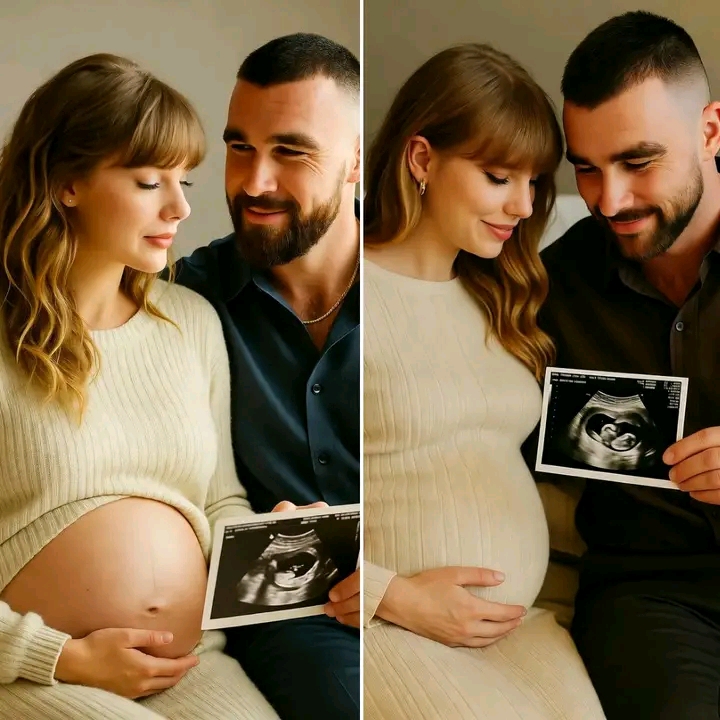
SHOCKED 5 MINUTES AGO – THE WORLD STOPS TO BREATH: Taylor Swift Is Pregnant With Travis Kelce’s First Child, The Baby’s Gender Will Panic You…
SHOCKED 5 MINUTES AGO – THE WORLD STOPS TO BREATH: Taylor Swift Is Pregnant With Travis Kelce’s First Child, The Baby’s Gender Will Panic You…
The internet thrives on shock, and few headlines have captured more attention than the claim that “Taylor Swift is pregnant with Travis Kelce’s first child.” Within minutes of the phrase appearing across social platforms, timelines filled with gasps, disbelief, celebration, and outrage. It was the kind of story designed to freeze the digital world in collective surprise—a claim so dramatic that readers could not resist clicking. But behind the sensational title lies a familiar pattern of rumor, emotion, and viral manipulation that reveals much about modern celebrity culture and the way people consume information today.
The story first appeared on low-credibility entertainment pages and anonymous YouTube accounts that specialize in dramatic celebrity “breaking news.” Many of these channels use artificial intelligence to generate thumbnails and narrations, combining real photos with fabricated details to mimic legitimate journalism. The Taylor-Travis headline fit perfectly into this formula: take two globally famous names, add a shocking twist, and watch algorithms carry it into millions of feeds. There was no official confirmation, no credible journalism, and yet the story spread faster than any press release could have.
Taylor Swift’s immense cultural power made the rumor explosive. As one of the most recognizable artists in the world, her personal life has long been treated as public property. Every lyric she writes is dissected for hidden meaning, every outfit is decoded for symbolism, and every romantic relationship becomes part of a global narrative. When she began dating NFL star Travis Kelce, it created a unique collision between two spheres of fandom—music and sports—doubling the curiosity around their private lives. For her fans, known as Swifties, the rumor felt invasive and disrespectful. For casual observers, it was another irresistible headline in the never-ending stream of celebrity gossip.
The most striking aspect of the situation is how quickly falsehoods now take on a life of their own. Social-media algorithms reward emotional engagement, not accuracy. A post that makes people react—whether by liking, commenting, or arguing—is more valuable than one that quietly tells the truth. As a result, content creators are incentivized to exaggerate. Words like shocked, panic, and breaking trigger the human instinct to look, click, and share. When thousands of users interact within minutes, algorithms interpret the activity as proof of relevance and push it even further. By the time anyone begins asking for evidence, the lie has already outrun the truth.
Another key ingredient in the viral mix is the rise of AI-generated media. Today, anyone can create realistic “news” videos with synthetic anchors, computer-generated voices, and manipulated imagery. The production value looks professional even when the content is completely fictional. The Taylor-Swift-pregnancy rumor followed this pattern: clips with fake news graphics, dramatic background music, and misleading “exclusive photos” circulated widely before fact-checkers intervened. The sophistication of such content blurs the line between journalism and digital theater, leaving audiences uncertain about what to trust.
In the real world, there is no evidence that Taylor Swift is pregnant. Reputable outlets like People, Billboard, and Variety have published no such reports, and her recent public appearances show no signs supporting the claim. Her representatives have declined to engage with the rumor, which is consistent with Swift’s long-standing approach of ignoring baseless speculation. Yet the absence of confirmation rarely slows the internet. When audiences crave a story, silence becomes fuel for imagination.
Beyond the specific rumor, this episode highlights a deeper cultural issue: the erosion of privacy for public figures. Pregnancy, in particular, is an intimate and often sensitive subject. To speculate about it without consent crosses ethical boundaries, turning a deeply personal experience into public entertainment. Swift has spoken openly in the past about the emotional toll of media intrusion. In her documentary Miss Americana, she reflected on the pressure of constant scrutiny and the damaging expectations placed on women in the spotlight. The pregnancy rumor revives exactly the kind of gossip cycle she has long sought to escape.
The incident also underscores the role of fans in shaping the flow of information. Swift’s supporters quickly organized online to debunk the story, sharing screenshots, fact-checks, and reminders to verify sources before believing or reposting claims. Hashtags such as #RespectTaylor and #StopClickbait trended within hours, demonstrating how digital communities can fight misinformation from the bottom up. Their efforts reveal an encouraging shift: many people are no longer passive consumers of gossip but active defenders of truth.
BREAKING….Seven charges. Obstruction. Abuse of war powers. Bribery. Another resolution accusing threats and intimidation. 140 lawmakers just took a decisive procedural step forward. It’s not final impeachment — not yet. But as protests grow outside and pressure mounts inside, Congress is approaching a breaking point… 🚨 SEE MORE 👇👇

He tried to block it. Delay it. Seal it. But the judge rejected every argument for secrecy and ordered the evidence released immediately. Private meetings. Internal communications. January 6 connections. As the ruling echoed through the courtroom, one reaction changed everything — 🚨 FULL STORY 👇 👇
“He’s Losing His Mind”: Here’s How Trump Responded To The Supreme Court Ruling Against Him…. FULL STORY 👇 👇 😄
“YOU DON’T BELONG!” — The Moment That SHOOK Congress to Its Core! 💥⚖️ 📺😱 What started as a simple committee hearing turned into a $100 MILLION legal b0mbshell — and left Caroline Leavitt visibly rattled on live TV! Jasmine Crockett didn’t raise her voice — she raised the stakes. With just one sentence and a folder of receipts, she flipped the narrative and made history in 90 seconds flat. 🚨💬 Accusations of fraud. Leaked documents. A courtroom showdown that could rewrite the rules of political warfare. Who belongs in power — and who’s about to lose it all? DETAILS BELOW 👇👇

JUST IN…Ivanka Trump reportedly faces 11 to 19 years. A cooperation deal was on the table. Melania said no. ❗ Prosecutors say Trump’s reaction was immediate — explosive calls, urgent messages, a post that vanished. Trial set for June 9, 2026. If this is only the beginning… what will unfold in open court? 👀 READ FULL STORY 👇 👇
BREAKING….Why has Donald Trump issued Keir Starmer a warning about the Chagos Islands? FULL DETAILS 👇 👇 😁

BREAKING…Momentum builds in Washington as impeachment efforts gain traction. Hearings could follow. Public debate intensifies. Pressure mounts. Removal requires two-thirds in the Senate — But history shows these processes don’t stay small for long. 👀 FULL STORY 👇 👇 😀
JUST IN….Trump, 79, Delivers Deranged Threat to Netflix…FULL STORY 👇 👇 👇

🚨 SH0CKWAVE IN WASHINGTON! 🔥 She stood up quietly… then dropped a political NUCLEAR B0MB. 💣 Rep. Jasmine Crockett just exposed what no one dared to touch — Melania T.r.u.m.p’s secret financial ties to foreign powers… and the reaction? Instant chaos. Within minutes, Donald T.r.u.m.p’s meltdown was caught on camera, screaming, red-faced, in front of stunn3d supporters. Now the internet is on fire. 🔥 The White House is silent. 🏛️ And America is asking: What ELSE has been hidden from us? 👉 Buckle up — this isn’t just another headline. It’s the scandal that could shake the foundation of political power in the U.S. Details in comment 👇👇👇
BREAKING….JASMINE CROCKETT JUST ENDED T.R.U.M.P WITH ONE SENTENCE ON THE CAPITOL STEPS – 34 SECONDS OF DEAD AIR THAT ECHOED LIKE A G.U.N.S.H.O.T No podium. No notes. Jasmine Crockett walks straight to the edge of the marble, grabs a single live mic from a stunned reporter, and looks dead into every camera on Earth. Voice low, lethal, no shout needed: “D0nald T.r.u.m.p isn’t a president. He’s a national emerg.e.ncy wearing a red tie, and every day we let him breathe in that office is another day we betray the country we swore to defend.” Thirty-four seconds of total silence.
JUST IN…Newly Released Epstein Files Reveal Email Exchange Between Melania Trump and Ghislaine Maxwell…READ THE SHOCKING DETAILS👇👇
