
NFL
The TRAGIC Life of Gene Anthony Ray Is JUST SO SAD…! From Harlem’s Street Dance Legend to Fame’s Iconic Leroy Johnson: The Untold, Heartbreaking, and Wildly Unbelievable Life Story of Gene Anthony Ray That Hollywood Tried to Hide—Discover the Shocking Truth Behind the Star Who Burned Bright and Left the World Far Too Soon.Read more 👇

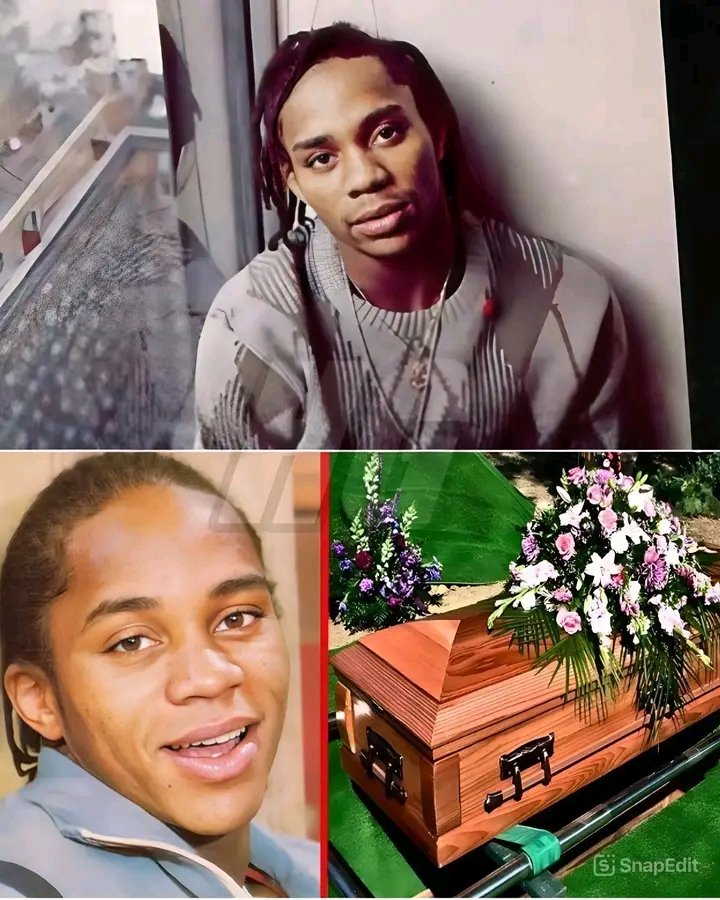
The TRAGIC Life of Gene Anthony Ray Is JUST SO SAD…!
If you grew up in the 1980s, chances are you remember the electrifying presence of Leroy Johnson, the street-smart, no-nonsense dancer from “Fame.” With his razor-sharp moves and raw attitude, Leroy wasn’t just a character—he was a force of nature. Behind that iconic role was Gene Anthony Ray, a Harlem kid whose story blazed with talent, rebellion, heartbreak, and unforgettable charisma. Yet, for all the bright lights and applause, Ray’s real journey was far more complicated and tragic than most fans ever realized.
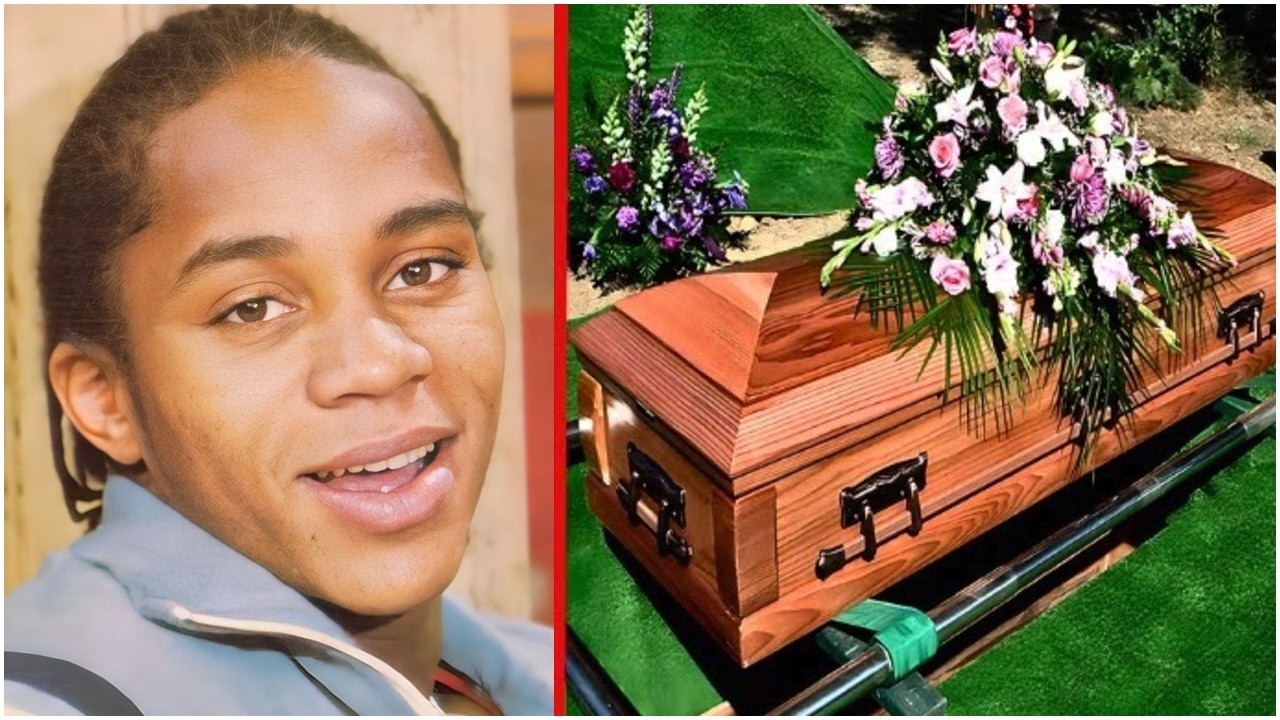
Gene Anthony Ray was born on May 24, 1962, in Harlem, New York, into a world where rhythm and survival went hand in hand. From the very start, Ray seemed destined for the stage. Locally, he was legendary—if he showed up at a dance contest, most competitors didn’t bother coming. He won every year, his moves a blend of street energy and pure instinct that made people stop and stare. Dancing wasn’t just a hobby; it was woven into the fabric of his life, a way to express and defend himself in a city pulsing with block parties and music on every corner.
Ray’s style was raw, fast, and real—straight from the sidewalks of Harlem. He didn’t learn to dance in a studio, and he didn’t care about perfect technique. His dancing was in the street, not for money, but for the sheer joy and thrill of movement. That authenticity set him apart, and it would later become his ticket to stardom.
He managed to gain admission to the prestigious High School of Performing Arts—the very school that inspired “Fame.” But Ray’s wild streak made him a poor fit for strict rules and academic discipline. He clashed with teachers, lost his temper, and eventually got expelled. His mother, Jean E. Ray, once admitted he was a wild child, and Ray himself never denied it. He fought often, dealt with name-calling, but never let it discourage him. That same raw energy, too much for school, was exactly what made him unforgettable on screen.
In 1980, Ray’s life changed forever with a twist worthy of Hollywood itself. While most teens were busy with homework, Ray skipped school to audition for a new film called “Fame.” He showed up in a backwards Nike hat and ripped Lee jeans—his own style, not a lack of options. Director Alan Parker was looking forsomething real, and Ray delivered. Out of hundreds of hopefuls, he nailed the audition, landing the role of Leroy Johnson at just 17 years old. The movie was a smash hit, and Ray’s electric performance was instantly iconic. He wasn’t just acting—he was being himself, a Harlem kid with rhythm in his bones and rebellion in his soul.
When “Fame” was adapted into a TV series in 1982, Ray reprised his role, appearing in 116 episodes over five seasons. Week after week, he brought the same intensity to the screen, dancing like every move was a fight for survival. The cast became a global phenomenon, touring the UK and selling out major venues like London’s Royal Albert Hall. Fans screamed, records sold, and Ray was suddenly a worldwide star.
But behind the scenes, the cracks were showing. Fame didn’t tame Ray’s wild streak. He missed rehearsals, clashed with producers, and made headlines for all the wrong reasons. His mother’s arrest in a major drug scandal only added more chaos to his life. By the mid-1980s, Ray was fired from the show. The same fire that made him magnetic on screen was burning bridges off it.
Still, Ray kept hustling. His fame opened doors to new roles, proving he wasn’t just a dancer. In 1981, he played Friday in “Vandaru Lav Sovage,” showing he could act outside the box. He even tried his hand at Broadway, starring in the stage adaptation of “Carrie.” The production flopped, but Ray’s willingness to take risks spoke volumes. He wasn’t afraid to put himself out there, even if the project didn’t succeed.
Throughout the 1990s, Ray appeared in commercials for Dr. Pepper and Diet Coke, his charisma selling just about anything. He took roles in films like “Out of Sync” (1995) and “Eddie” (1996), where he worked both as an actor and choreographer alongside Whoopi Goldberg. His behind-the-scenes work proved he could create movement and tell stories through dance, not just perform them.
Ray’s spark never faded, even as his career slowed. He popped up in the 2002 movie “Austin Powers in Goldmember,” reminding fans he still had the magic. In 2003, he reflected on his roller-coaster journey in the BBC documentary “Fame, Remember My Name”—his final project.
Looking back, Ray’s career feels like a classic tale of raw talent colliding with rough reality. He had the moves, the charm, the star quality—but not always the discipline Hollywood demands. In some ways, he was too real for an industry that loves polish and control. And maybe that’s why fans loved him so much. When Ray danced, you didn’t see technique or perfection—you saw life, struggle, and energy. He made you believe.

If Ray’s professional life was a roller coaster, his personal life was a bumpy ride through space. Unlike many stars, he never married, never had kids, and never felt the need to put a label on his sexuality. He was flamboyantly himself, sometimes calm, sometimes mysterious, and people loved him for it. That refusal to fit into a box felt very Leroy, too.
He was incredibly close to his mother, though their bond came with storms. At times, that connection cost him jobs and reputation. Still, family was family, and Ray never tried to pretend otherwise. He was magnetic, funny, and full of life—but also chaotic. He partied hard, lived fast, and addiction was always lurking. In the 1990s, he shared a flat in Milan with a porn actress while trying to build a dance school—a story that sounds more like a movie script than real life.
Ray’s life was tragically short. On November 14, 2003, he died in New York City at just 41 years old, after complications from a stroke. It was later revealed he had been living with AIDS, something he never hid from those close to him. For someone who lit up screens with so much energy, losing him young felt like Hollywood lost a spark it couldn’t replace.
As for his net worth, Ray earned well through his work, but much of it didn’t last. Reports suggest he was worth around $1.5 million at one point, but the real figure is less important than the impact he left behind. Because when you think of Ray, you don’t think of numbers—you think of Leroy tearing up the floor with raw Harlem energy. You think of the kid who skipped school and stumbled into stardom, the man who, despite his chaos, changed what dance on screen could look like.
His legacy isn’t neat or polished, but it’s unforgettable. He brought street authenticity to mainstream entertainment, gave audiences a character who felt real, and inspired countless young dancers who didn’t see themselves in ballet shoes. Even now, decades later, whenever “Fame” reruns or clips pop up, Gene Anthony Ray’s
presence jumps off the screen. He may not have won big awards or made it into the Guinness World Records, but his impact is stamped in pop culture forever. And that’s the kind of immortality no scandal, no struggle, and no short life can ever take away.
BREAKING….Seven charges. Obstruction. Abuse of war powers. Bribery. Another resolution accusing threats and intimidation. 140 lawmakers just took a decisive procedural step forward. It’s not final impeachment — not yet. But as protests grow outside and pressure mounts inside, Congress is approaching a breaking point… 🚨 SEE MORE 👇👇

He tried to block it. Delay it. Seal it. But the judge rejected every argument for secrecy and ordered the evidence released immediately. Private meetings. Internal communications. January 6 connections. As the ruling echoed through the courtroom, one reaction changed everything — 🚨 FULL STORY 👇 👇
“He’s Losing His Mind”: Here’s How Trump Responded To The Supreme Court Ruling Against Him…. FULL STORY 👇 👇 😄
“YOU DON’T BELONG!” — The Moment That SHOOK Congress to Its Core! 💥⚖️ 📺😱 What started as a simple committee hearing turned into a $100 MILLION legal b0mbshell — and left Caroline Leavitt visibly rattled on live TV! Jasmine Crockett didn’t raise her voice — she raised the stakes. With just one sentence and a folder of receipts, she flipped the narrative and made history in 90 seconds flat. 🚨💬 Accusations of fraud. Leaked documents. A courtroom showdown that could rewrite the rules of political warfare. Who belongs in power — and who’s about to lose it all? DETAILS BELOW 👇👇

JUST IN…Ivanka Trump reportedly faces 11 to 19 years. A cooperation deal was on the table. Melania said no. ❗ Prosecutors say Trump’s reaction was immediate — explosive calls, urgent messages, a post that vanished. Trial set for June 9, 2026. If this is only the beginning… what will unfold in open court? 👀 READ FULL STORY 👇 👇
BREAKING….Why has Donald Trump issued Keir Starmer a warning about the Chagos Islands? FULL DETAILS 👇 👇 😁

BREAKING…Momentum builds in Washington as impeachment efforts gain traction. Hearings could follow. Public debate intensifies. Pressure mounts. Removal requires two-thirds in the Senate — But history shows these processes don’t stay small for long. 👀 FULL STORY 👇 👇 😀
JUST IN….Trump, 79, Delivers Deranged Threat to Netflix…FULL STORY 👇 👇 👇

🚨 SH0CKWAVE IN WASHINGTON! 🔥 She stood up quietly… then dropped a political NUCLEAR B0MB. 💣 Rep. Jasmine Crockett just exposed what no one dared to touch — Melania T.r.u.m.p’s secret financial ties to foreign powers… and the reaction? Instant chaos. Within minutes, Donald T.r.u.m.p’s meltdown was caught on camera, screaming, red-faced, in front of stunn3d supporters. Now the internet is on fire. 🔥 The White House is silent. 🏛️ And America is asking: What ELSE has been hidden from us? 👉 Buckle up — this isn’t just another headline. It’s the scandal that could shake the foundation of political power in the U.S. Details in comment 👇👇👇
BREAKING….JASMINE CROCKETT JUST ENDED T.R.U.M.P WITH ONE SENTENCE ON THE CAPITOL STEPS – 34 SECONDS OF DEAD AIR THAT ECHOED LIKE A G.U.N.S.H.O.T No podium. No notes. Jasmine Crockett walks straight to the edge of the marble, grabs a single live mic from a stunned reporter, and looks dead into every camera on Earth. Voice low, lethal, no shout needed: “D0nald T.r.u.m.p isn’t a president. He’s a national emerg.e.ncy wearing a red tie, and every day we let him breathe in that office is another day we betray the country we swore to defend.” Thirty-four seconds of total silence.
JUST IN…Newly Released Epstein Files Reveal Email Exchange Between Melania Trump and Ghislaine Maxwell…READ THE SHOCKING DETAILS👇👇
